
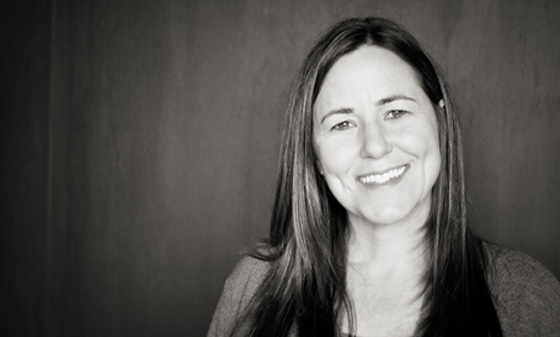
Environmental activist and filmmaker Annie Leonard has a knack for looking at familiar things in a new light that opens possibilities for transformation.
Her short film The Story of Stuff offered an “a-ha” moment for many of its 12 million viewers by revealing the ecological price tag of a hyper-consuming society where accumulation of possessions has become the chief measure of success. Leonard’s genius is to steer away from a preachy, blaming tone and concentrate instead on the underlying economic structures that fuel wanton consumerism and highlight practical solutions to the crisis.
In subsequent online films she brings similar common-sense illumination to subjects as varied as bottled water, the Citizens United court ruling that threatens to drown US politics in fat-cat money and the myth that the USA is too broke to afford public services and environmental regulations. Last year, Leonard became the executive director ofGreenpeace USA.
This body of work made her the perfect choice to kick off the rousing Just Giving conference exploring the idea of “Better, Not More…Principles and Practices for the Next Economy” sponsored by the Edge Funders Alliance in Baltimore early this month.
In her opening remarks, she raised five key points about the role of “more” in modern society that influences all discussion of the subject.
- More is not physically possible at a time when “we use 1 ½ planet’s resources every year.”
- More is central to capitalist economics, which makes “challenging more a big deal.”
- More is tied to the American Dream. “The US is an aspirational society… So we need to ask, ‘More of what?’”
- More is an obstacle to justice. “Some people do need more,” therefore any challenge to the “more” paradigm must include ways to better share resources.
- More is sometimes better. But we’ve confused specific cases, such as more food for famine victims, with our overall goals. In truth, “This obsession with more is undermining better.”
© Jay Walljasper
Article source