

July, Wednesday 16, 2025
Brazil is one of the most unequal countries in the world and has the largest Black population outside the African continent, yet the country’s philanthropy continues to marginalize this group that is most punished in this context of inequality.
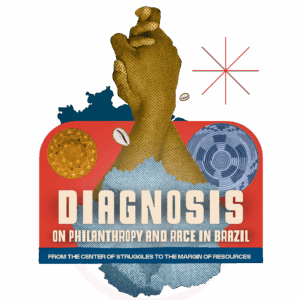
This session aimed to present the main results of the research Diagnosis on Philanthropy and Race in Brazil: from the center of the struggle to the margins of resources, launched by Fundo Agbara in 2024, and to propose a critical reflection on the role of philanthropy, especially international philanthropy, in tackling racial inequalities.
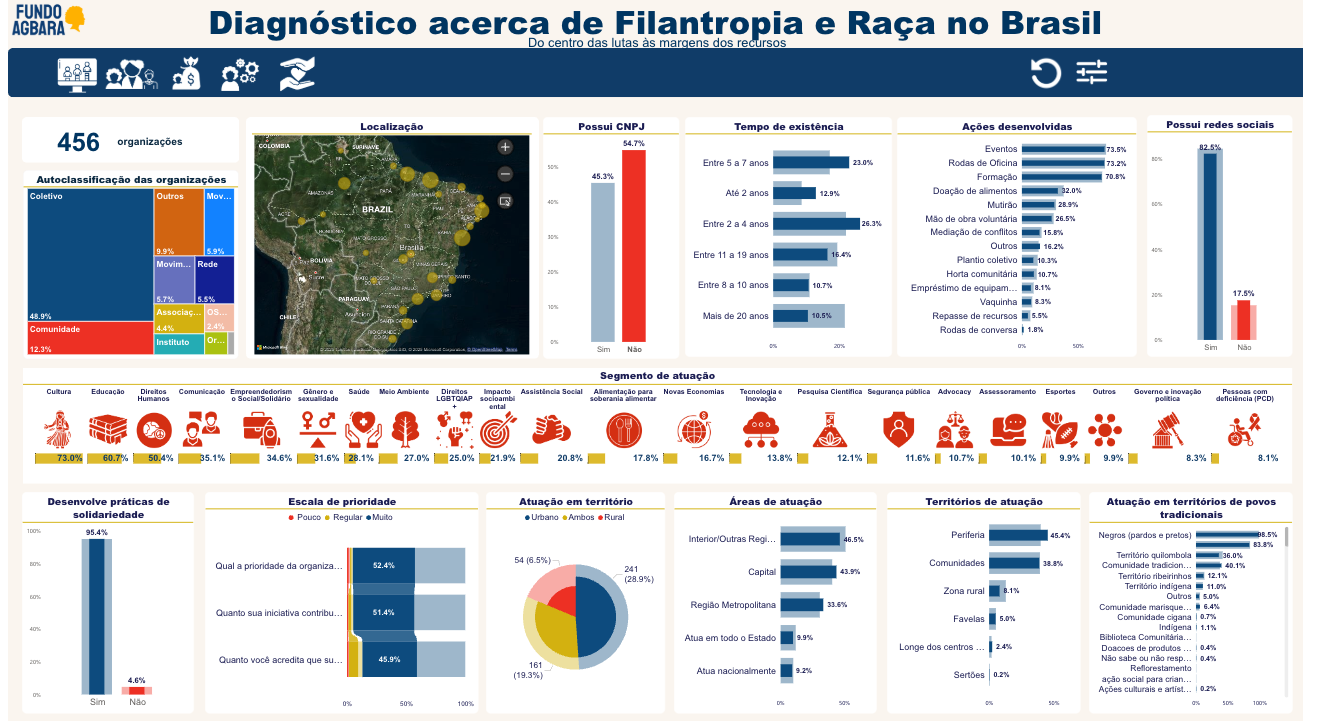
The study represents an unprecedented milestone in Brazil by gathering data from more than 800 Black organizations from all regions of the country, through an online questionnaire and fieldwork in fifteen territories. The research outlines an overview of the work of these organizations, their composition, strategies, and the challenges they face in accessing funding, highlighting the lack of equity in private social investment.
It shows that Black organizations continue to be key players in the development of public policies, even when working with very few resources. Their role in producing justice and fighting inequalities is clear, even with low visibility and under multiple forms of violence. The research denounces the mismatch between the strength of these collectives and the way they are not recognized by philanthropic structures. The data show that, while they lead systemic changes in their territories, on the other hand these organizations remain marginalized by funding logics that ignore racism as a structural cause of inequalities.
It is an important contribution that brings valuable elements to strengthen the strategy of the philanthropic field, both in Brazil and internationally. It shows not only the reality of Brazil, but also reflects the experience of a country from the Global South with continental dimensions, that has been—and still is—a victim of exploitation and colonialism.
In the current context, marked by the reduction of international investments, especially in the United States and other Global North countries, it becomes even more urgent to reflect on who are the main ones impacted by these cuts. Organizations that transform their territories and work to ensure democracy through access to basic rights continue to be the first to feel the effects of shrinking resources, which reinforces the need for systematization and dissemination of disaggregated data that quantify and qualify the work of Black organizations, as well as the redesign of funding strategies that are reparative, redistributive, and centered on the voices and experiences of Black populations around the world.
Report Highlights
The study uncovered a range of critical findings that reveal both the depth of Black organizing in Brazil and the barriers these organizations continue to face.
- Most organizations do not identify as philanthropic, but rather as grassroots associations, collectives, and community spaces, often built on African worldviews and matriarchal principles.
- 91.5% of leaders in these organizations are Black women, showing the centrality of gender in racial justice organizing.
- Less than 2% of philanthropic resources in Brazil go to racial equity, and less than 1% reaches Black women.
- Many organizations operate with less than $200 USD per year, and often do not have formal legal status (CNPJ) — a technical requirement that blocks access to institutional funding.
- Agbara Fund does not require CNPJ registration for its support, recognizing this barrier as a form of structural exclusion.
- 72% of surveyed organizations said racism is a significant obstacle to fundraising.
- Groups also cited bureaucracy, lack of dialogue with donors, and invisibility within philanthropic networks as key challenges.
- The organizations surveyed work across multiple areas simultaneously — from education and health to human rights, culture, land rights, and food sovereignty.
- Their approach is holistic and intersectional, tackling the complex realities of Black communities often ignored by state and corporate actors.
Key Takeaways
Traditionally, philanthropy has operated through a top-down approach, where wealthy donors “give back” to marginalized communities — often without truly sharing power or fostering accountability. Reflecting this critique, the Agbara Fund chooses to define itself not merely as a philanthropic entity, but as a fund for economic justice for Black women. This signals a necessary move away from charity-driven models toward one rooted in systemic change and resource redistribution. In this reimagined approach, grassroots organizations must take the lead — not just as recipients of funding, but as strategic actors and decision-makers. Philanthropy, therefore, should no longer be something done to Black women, but something driven by and created in partnership with them.
Black-led organizations are vital to Brazilian democracy, often operating where state presence is absent — yet they are systemically underfunded and excluded from formal philanthropic channels.
Existing philanthropic models often treats Black organizations as beneficiaries rather than protagonists of change. True philanthropy is what grassroots actors are doing on the ground – not just foundation funding from above.
Requirements like CNPJ registration exclude grassroots groups with deep historical legitimacy and impact. The bureaucratic violence and gatekeeping from donor institutions limit black-led organizations, forcing them to alter their methods to fit ‘donor language’. Intersectionality matters. Effective funding must account for the layered realities of race, gender, class, and territory that shape Black women’s organizing in Brazil.
Without inclusive research and methodologies, Black organizations remain invisible in public policy, philanthropic strategy, and national narratives.
Agbara Fund emphasized that transformation begins when funders enter conversations not with judgment or rigidity, but with curiosity and commitment to shared learning. There is a need to encourage the building of organization’s own tables, rather than waiting for inclusion, where it is possible to dream collectively about a just, sustainable and autonomous future.
Resources:
Thank you to the Speakers
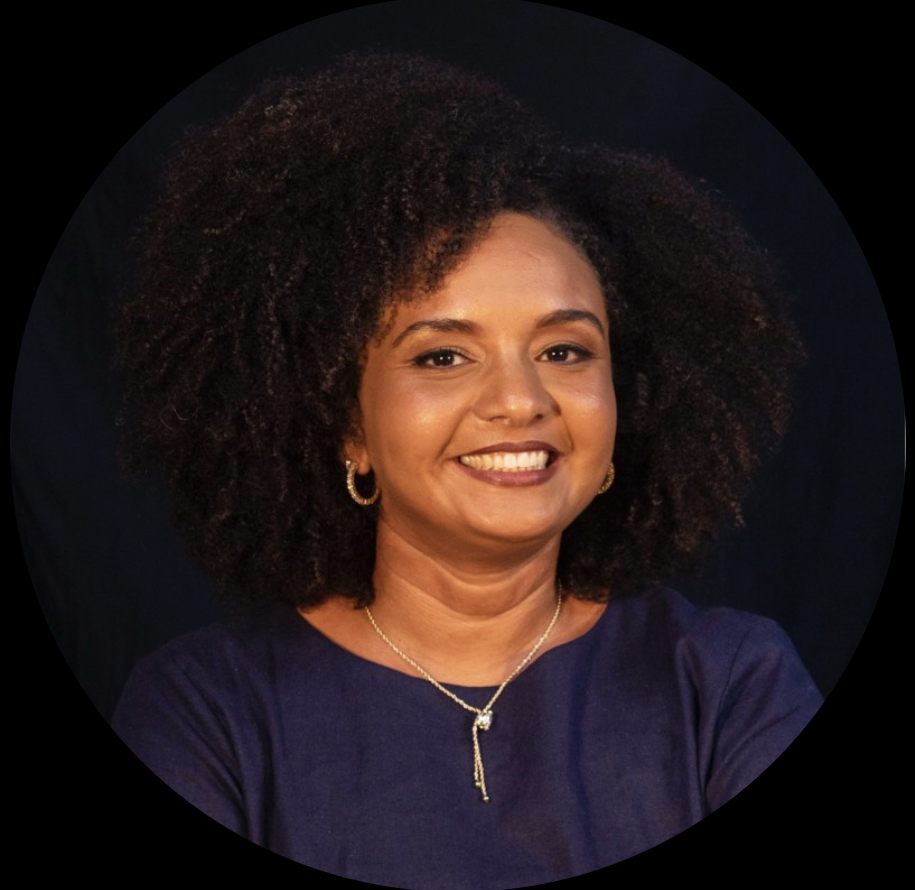
Researcher with a bachelor’s and master’s degree in Social Sciences from the Federal University of Bahia (UFBA), an MBA in Project Management from UNIFACS, and currently pursuing a Ph.D. in Sociology at the Federal University of Rio de Janeiro (UFRJ), focusing on Brazilian youth through an intersectional lens of race, class, and gender.
She serves as Knowledge and Advocacy Manager at Fundo Agbara. Previously, she was a Racial Justice Officer at the International Institute on Race, Equality and Human Rights.
She has extensive experience in monitoring and evaluating social projects, as well as in developing indicator matrices, having collaborated with organizations such as Criola and Motriz.
Her main areas of interest and expertise include qualitative and quantitative research methodologies, MEL (Monitoring, Evaluation, and Learning) methods, studies on Black and women’s movements, and topics related to philanthropy and social
investment.
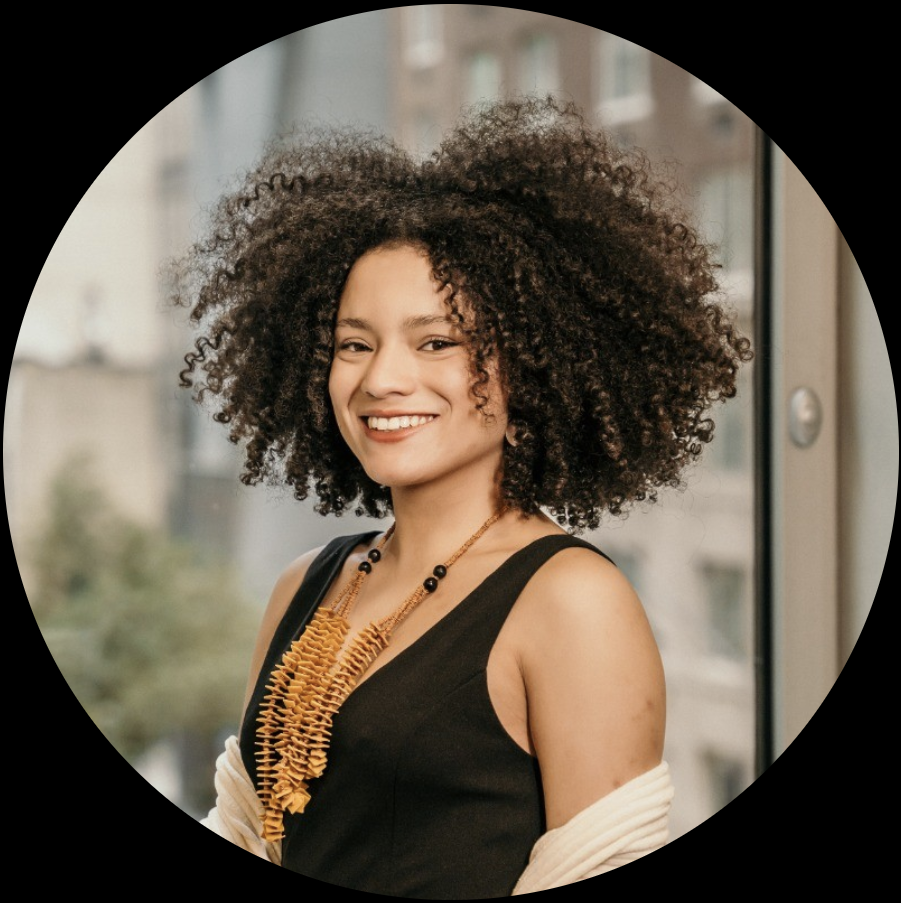
Júlia Mota works as Advocacy Specialist at Fundo Agbara, the first Fund for the economic justice of Black women in Brazil, and is part of the 2025–2026 cohort of the Human Rights Advocates Program at Columbia University. She holds a bachelor’s degree in Public Policy Management from the University of São Paulo and has years of experience in the nonprofit sector, working on projects aimed at strengthening community-based and grassroots organizations.
Her research focuses on the intersections of race, class, and gender, particularly in relation to public policy. She has also worked as a researcher at the Interdisciplinary Observatory of Public Policy Professor Dr. José Renato de Campos Araújo (OIPP). Júlia represents Fundo Agbara in networks such as the Women’s Budget Network and the Network of Afro–Latin American, Afro–Caribbean and Diaspora Women, and she works to strengthen strategic partnerships at both national and international levels, including the annual international forum Black Women Shaping Afrofutures.
‘We are not just working for ourselves – we are changing society’.
Iracema Souza
‘Philanthropy must move from viewing Black people as beneficiaries to seeing Black-led organizations as architects of democracy’.
Leave a Reply
You must be logged in to post a comment.